Einführung
Wir freuen uns sehr über Ihr Interesse an unserer Webseite.
Unsere Webseite ist ein Lernort zur Information von Menschen, die sich in ihrer Muttersprache über gesundheitliche Fragestellungen informieren möchten. Zugleich dient sie Fachkräften des Gesundheits- und Sozialwesens als eine Quelle von Informationsmedien in verschiedenen Sprachen, die in Beratungs-, Betreuungs- oder Behandlungsprozessen an Klient:innen bzw. Patient:innen weitergegeben werden können.
Die Internetseite und die enthaltenen Informationsmedien sind Teil der transkulturellen Gesundheitskampagnen des Ethno-Medizinischen Zentrums e.V. Die gesundheitsbezogenen Inhalte der Webseite sind fachlich gesichert! Sie wurden durch unsere und zusätzlich durch externe Fachleute geprüft und freigegeben.
Datenschutz hat für uns einen hohen Stellenwert. Vielfach unterliegen unsere Prozesse zudem Bestimmungen zu Verschwiegenheitspflichten, die deutlich über die Anforderungen der EU-Datenschutz-Grundverordnung (EU-DS-GVO) hinausgehen.
Mit den nachfolgenden Hinweisen möchten wir Sie ausdrücklich darüber aufklären, wie wir in unserer Institution mit Ihren Daten beim Besuch dieser Homepage umgehen und wie wir insoweit die Vorgaben des Gesetzgebers umgesetzt haben.
Der Datenschutz ist seit jeher ein wichtiges Thema. Denn nur durch den Datenschutz ist es möglich, jeden einzelnen davor zu schützen, dass er durch den Umgang mit seinen personenbezogenen Daten in seinem Persönlichkeitsrecht und/oder anderen Rechten beeinträchtigt wird.
Jedes Unternehmen benötigt und unterhält Daten, damit ein Unternehmen überhaupt existieren kann. Aufgrund der sich immer weiter ausbreitenden digitalen Vernetzung erhöht sich leider auch die Gefahr des Datenmissbrauchs.
Grundsätzlich sollen jedoch nicht die Unternehmen geschützt werden, die etwa Daten erheben, speichern oder verarbeiten. Vielmehr soll jeder einzelne vor einem Datenmissbrauch und damit insbesondere vor einer Verletzung seines Persönlichkeitsrechts geschützt werden. Schon immer hat deshalb der Datenschutz einen besonders hohen Stellenwert für unseren Verein.
Es ist daher nicht nur unser Anspruch, sondern auch Vorgabe des Gesetzgebers, sicherzustellen, dass Ihre Daten den bestmöglichen Schutz genießen.
Unsere Datenschutzpraxis steht daher stets im Einklang mit den geltenden Gesetzen. Gesetzliche Vorgaben für den Datenschutz enthalten insbesondere die Datenschutzgrundverordnung (DSGVO), das Bundesdatenschutzgesetz (BDSG) sowie das Telemediengesetz (TMG).
Wir haben in unserem Verein zahlreiche Maßnahmen, und zwar sowohl technischer Art als auch organisatorischer Art, eingeleitet und umgesetzt, damit ein möglichst lückenloser Schutz Ihrer personenbezogenen Daten sichergestellt ist. In dieser Datenschutzerklärung bzw. den nachfolgenden Ausführungen und Hinweisen möchten wir Sie möglichst ausführlich und verständlich darüber informieren, weshalb wir wann, wo und wie bzw. zu welchem Zweck personenbezogene Daten erheben und verarbeiten.
Gleichzeitig möchten wir Sie darüber informieren, welche Rechte Ihnen in diesem Zusammenhang als betroffene Person zustehen.
Aus den nachfolgenden Erklärungen können Sie also entnehmen, inwieweit wir bei der Nutzung unserer Homepage personenbezogene Daten erheben sowie verarbeiten und welche Rechte Ihnen dabeizustehen.
In den einzelnen Abschnitten haben wir in diesem Zusammenhang bei zahlreichen Begriffen auch nochmals Verweise eingepflegt, wo sich die entsprechende Erläuterung des Begriffs bzw. die entsprechende Definition befindet, damit diese schnell nachgelesen werden kann.
Des Weiteren haben wir in den einzelnen Abschnitten die Rechtsgrundlage konkret benannt, die uns berechtigt, die betreffenden personenbezogenen Daten zu erheben und zu verarbeiten.
Gleichzeitig haben wir auch in den einzelnen Abschnitten den Zweck und, sofern möglich, die Dauer der Verarbeitung genannt.
Auch weisen wir in den einzelnen Abschnitten darauf hin, welche konkreten Rechte Ihnen bei der entsprechenden Datenverarbeitung zustehen.
Sofern Ihnen die nachfolgenden Hinweise und Erklärungen nicht ausreichen und/oder diese für Sie trotz unserer Bemühungen unverständlich sein sollten, steht Ihnen jederzeit unser Datenschutzbeauftragter (siehe unten) und/oder auch unsere anderen Mitarbeiter:innen für Rückfragen, Anregungen, Kritik, etc. zur Verfügung.
Diese Internetseite wird durch das Ethno-Medizinisches Zentrum e.V. betrieben. Unsere Datenschutzerklärung gilt für unsere gesamte Internetseite bzw. unseren gesamten Internetauftritt. Weitere Informationen zu unserem Verein können Sie jederzeit unserem Impressum entnehmen.
Inhaltsverzeichnis
1. Begriffsbestimmungen
[1.1] personenbezogene Daten (Artikel 4 Nr. 1 DSGVO)
[1.2] betroffene Person (Artikel 4 Nr. 1 DSGVO)
[1.3] Verarbeitung (Artikel 4 Nr. 2 DSGVO)
[1.4] Einschränkung der Verarbeitung (Artikel 4 Nr. 3 DSGVO)
[1.5] Profiling (Artikel 4 Nr. 4 DSGVO)
[1.6] Pseudonymisierung (Artikel 4 Nr. 5 DSGVO)
[1.7] Dateisystem (Artikel 4 Nr. 6 DSGVO)
[1.8] Verantwortlicher; für die Verarbeitung Verantwortlicher (Artikel 4 Nr. 7 DSGVO)
[1.9] Auftragsverarbeiter (Artikel 4 Nr. 8 DSGVO)
[1.10] Empfänger (Artikel 4 Nr. 9 DSGVO)
[1.11] Dritter (Artikel 4 Nr. 10 DSGVO)
[1.12] Einwilligung (Artikel 4 Nr. 11 DSGVO)
[1.13] Verletzung des Schutzes personenbezogener Daten (Artikel 4 Nr. 12 DSGVO)
[1.14] Cookies
[1.15] IP-Adresse
[1.16] Browser
[1.17] Referrer-URL
[1.18] Plug-In
2. Verantwortlicher für die Internetseite und sein Datenschutzbeauftragter
3. Datenerhebung und Speicherung auf unserer Internetseite
[3.1] Erfassung und Speicherung von allgemeinen Daten und Informationen
[3.2] Kontaktaufnahme per E-Mail oder über Internetseiten-Kontaktformular
4. Cookies
5. SSL- bzw. TLS-Verschlüsselung
6. Bestehen einer automatisierten Entscheidungsfindung
7. Einbindung von Diensten und Inhalten Dritter
[7.1] Einbindung von Google Maps
[7.2] Einsatz von Google-Analytics mit Anonymisierungsfunktion
[7.3] Verwendung von Facebook Social Plug-Ins
[7.4] Twitter Plug-In
[7.5] Google Plus
[7.6] YouTube
[7.7] Vimeo
[7.8] Matomo (ehemals Piwik)
8. RSS-Feed
9. Datenschutz bei Bewerbungen und Bewerbungsverfahren
10. Registrierung für MiMi-Mediator:innen und Multiplikator:innen
11. Datenweitergabe an Dritte
12. Rechte der betroffenen Person
[12.1] Recht auf Auskunft (Artikel 15 DSGVO)
[12.2] Recht auf Berichtigung (Artikel 16 DSGVO)
[12.3] Recht auf Löschung bzw. „Recht auf Vergessenwerden“ (Artikel 17 DSGVO)
[12.4] Recht auf Einschränkung der Verarbeitung (Artikel 18 DSGVO)
[12.5] Recht auf Unterrichtung (Artikel 19 DSGVO)
[12.6] Recht auf Datenübertragbarkeit (Artikel 20 DSGVO)
[12.7] Widerspruchsrecht (Artikel 21 DSGVO)
[12.8] Recht auf Widerruf der datenrechtlichen Einwilligungserklärung (Artikel 21 DSGVO)
[12.9] Automatisierte Entscheidungen im Einzelfall einschließlich Profiling (22 DSGVO)
[12.10] Recht auf Beschwerde bei einer Aufsichtsbehörde (Artikel 51 ff. DSGVO)
13. Änderung unserer Datenschutzerklärung
14. Fragen an den Datenschutzbeauftragten
1. Begriffsbestimmungen
Die Datenschutzerklärung des Ethno-Medizinisches Zentrum e.V. beruht auf den Begrifflichkeiten, die durch den Europäischen Richtlinien- und Verordnungsgeber beim Erlass der Datenschutz-Grundverordnung (DS-GVO), dem Bundesdatenschutzgesetz (BDSG) sowie dem Telemediengesetz (TMG) verwendet wurden:
- Datenschutzgrundverordnung (DSGVO): https://dsgvo-gesetz.de
- Bundesdatenschutzgesetz (BDSG): https://dsgvo-gesetz.de/bdsg-neu/
- Telemediengesetz (TMG): https://www.gesetze-im-internet.de/tmg/
Diese Datenschutzerklärung erfüllt die Anforderungen und Vorgaben der vorstehend genannten Gesetze. Daher verwenden wir in dieser Datenschutzerklärung u. a. auch Definitionen bzw. Begrifflichkeiten aus diesen Gesetzen. Ferner verwenden wir Begriffe aus der Computersprache bzw. IT-Branche.
Unsere Datenschutzerklärung soll sowohl für die Öffentlichkeit als auch für unsere Nutzer:innen/ Kund:innen und Kooperations- bzw. Geschäftspartner:innen einfach lesbar und verständlich sein. Um dies zu gewährleisten, möchten wir vorab die verwendeten Begrifflichkeiten erläutern und definieren.
Wir verwenden in dieser Datenschutzerklärung unter anderem die folgenden Begriffe:
[1.1] personenbezogene Daten (Artikel 4 Nr. 1 DSGVO)
Personenbezogene Daten sind alle Informationen, die sich auf eine identifizierte oder identifizierbare natürliche Person (im Folgenden „betroffene Person“) beziehen; als identifizierbar wird eine natürliche Person angesehen, die direkt oder indirekt, insbesondere mittels Zuordnung zu einer Kennung, wie einem Namen, zu einer Kennnummer, zu Standortdaten, zu einer Online-Kennung oder zu einem oder mehreren besonderen Merkmalen, identifiziert werden kann, die Ausdruck der physischen, physiologischen, genetischen, psychischen, wirtschaftlichen, kulturellen oder sozialen Identität dieser natürlichen Person sind.
[1.2] betroffene Person (Artikel 4 Nr. 1 DSGVO)
Betroffene Person ist jede identifizierte oder identifizierbare natürliche Person, deren personenbezogene Daten von dem für die Verarbeitung Verantwortlichen verarbeitet werden.
[1.3] Verarbeitung (Artikel 4 Nr. 2 DSGVO)
Verarbeitung ist jeder mit oder ohne Hilfe automatisierter Verfahren ausgeführte Vorgang oder jede solche Vorgangsreihe im Zusammenhang mit personenbezogenen Daten wie das Erheben, das Erfassen, die Organisation, das Ordnen, die Speicherung, die Anpassung oder Veränderung, das Auslesen, das Abfragen, die Verwendung, die Offenlegung durch Übermittlung, Verbreitung oder eine andere Form der Bereitstellung, den Abgleich oder die Verknüpfung, die Einschränkung, das Löschen oder die Vernichtung.
[1.4] Einschränkung der Verarbeitung (Artikel 4 Nr. 3 DSGVO)
Einschränkung der Verarbeitung ist die Markierung gespeicherter personenbezogener Daten mit dem Ziel, ihre künftige Verarbeitung einzuschränken.
[1.5] Profiling (Artikel 4 Nr. 4 DSGVO)
Profiling ist jede Art der automatisierten Verarbeitung personenbezogener Daten, die darin besteht, dass diese personenbezogenen Daten verwendet werden, um bestimmte persönliche Aspekte, die sich auf eine natürliche Person beziehen, zu bewerten, insbesondere, um Aspekte bezüglich Arbeitsleistung, wirtschaftlicher Lage, Gesundheit, persönlicher Vorlieben, Interessen, Zuverlässigkeit, Verhalten, Aufenthaltsort oder Ortswechsel dieser natürlichen Person zu analysieren oder vorherzusagen.
[1.6] Pseudonymisierung (Artikel 4 Nr. 5 DSGVO)
Pseudonymisierung ist die Verarbeitung personenbezogener Daten in einer Weise, auf welche die personenbezogenen Daten ohne Hinzuziehung zusätzlicher Informationen nicht mehr einer spezifischen betroffenen Person zugeordnet werden können, sofern diese zusätzlichen Informationen gesondert aufbewahrt werden und technischen und organisatorischen Maßnahmen unterliegen, die gewährleisten, dass die personenbezogenen Daten nicht einer identifizierten oder identifizierbaren natürlichen Person zugewiesen werden.
[1.7] Dateisystem (Artikel 4 Nr. 6 DSGVO)
Dateisystem ist jede strukturierte Sammlung personenbezogener Daten, die nach bestimmten Kriterien zugänglich sind, unabhängig davon, ob diese Sammlung zentral, dezentral oder nach funktionalen oder geografischen Gesichtspunkten geordnet geführt wird.
[1.8] Verantwortlicher, für die Verarbeitung Verantwortlicher (Artikel 4 Nr. 7 DSGVO)
Verantwortlicher oder für die Verarbeitung Verantwortlicher ist die natürliche oder juristische Person, Behörde, Einrichtung oder andere Stelle, die allein oder gemeinsam mit anderen über die Zwecke und Mittel der Verarbeitung von personenbezogenen Daten entscheidet. Sind die Zwecke und Mittel dieser Verarbeitung durch das Unionsrecht oder das Recht der Mitgliedstaaten vorgegeben, so kann der Verantwortliche beziehungsweise können die bestimmten Kriterien seiner Benennung nach dem Unionsrecht oder dem Recht der Mitgliedstaaten vorgesehen werden.
[1.9] Auftragsverarbeiter (Artikel 4 Nr. 8 DSGVO)
Auftragsverarbeiter ist eine natürliche oder juristische Person, Behörde, Einrichtung oder andere Stelle, die personenbezogene Daten im Auftrag des Verantwortlichen verarbeitet.
[1.10] Empfänger (Artikel 4 Nr. 9 DSGVO)
Empfänger ist eine natürliche oder juristische Person, Behörde, Einrichtung oder andere Stelle, der personenbezogene Daten offengelegt werden, unabhängig davon, ob es sich bei ihr um einen Dritten handelt oder nicht. Behörden, die im Rahmen eines bestimmten Untersuchungsauftrags nach dem Unionsrecht oder dem Recht der Mitgliedstaaten möglicherweise personenbezogene Daten erhalten, gelten jedoch nicht als Empfänger (die Verarbeitung dieser Daten durch die genannten Behörden erfolgt im Einklang mit den geltenden Datenschutzvorschriften gemäß den Zwecken der Verarbeitung).
[1.11] Dritter (Artikel 4 Nr. 10 DSGVO)
Dritter ist eine natürliche oder juristische Person, Behörde, Einrichtung oder andere Stelle außer der betroffenen Person, dem Verantwortlichen, dem Auftragsverarbeiter und den Personen, die unter der unmittelbaren Verantwortung des Verantwortlichen oder des Auftragsverarbeiters befugt sind, die personenbezogenen Daten zu verarbeiten.
[1.12] Einwilligung (Artikel 4 Nr. 11 DSGVO)
Einwilligung ist jede von der betroffenen Person freiwillig für den bestimmten Fall in informierter Weise und unmissverständlich abgegebene Willensbekundung in Form einer Erklärung oder einer sonstigen eindeutigen bestätigenden Handlung, mit der die betroffene Person zu verstehen gibt, dass sie mit der Verarbeitung der sie betreffenden personenbezogenen Daten einverstanden ist.
[1.13] Verletzung des Schutzes personenbezogener Daten (Artikel 4 Nr. 12 DSGVO)
Verletzung des Schutzes personenbezogener Daten ist eine Verletzung der Sicherheit, die zur Vernichtung, zum Verlust oder zur Veränderung, ob unbeabsichtigt oder unrechtmäßig, oder zur unbefugten Offenlegung von bzw. zum unbefugten Zugang zu personenbezogenen Daten führt, die übermittelt, gespeichert oder auf sonstige Weise verarbeitet wurden.
[1.14] Cookies
Cookies sind Datensätze die von einem Webserver auf dem Computer des Nutzers abgelegt werden. Sie werden bei einer erneuten Verbindung an den Cookie-setzenden-Webserver mit dem Ziel zurückgesendet, den Nutzer und seine Einstellungen wiederzuerkennen. Die Bestimmbarkeit des Nutzers setzt voraus, dass der Betreiber der Internetseite die IP-Adresse ohne unverhältnismäßig großen Aufwand an Zeit, Kosten und Personal einem konkreten Nutzer zuordnen kann.
In der Regel werden die meisten verwendeten Cookies nach Ende der jeweiligen Browser-Sitzung wieder gelöscht (sogenannte Sitzungs-Cookies). Andere Cookies verbleiben auf dem Computer des Nutzers und ermöglichen es dem Betreiber der jeweiligen Homepage, den Computer des Nutzers bei seinem nächsten Besuch wiederzuerkennen (sogenannte dauerhafte Cookies).
Cookies dienen in der Regel dazu, den Besuch einer Homepage attraktiv zu gestalten und die Nutzung bestimmter Funktionen zu ermöglichen.
Jeder Nutzer kann seinen Browser so einstellen, dass der Browser den Nutzer über die Platzierung von Cookies informiert. So wird der Gebrauch von Cookies für den Nutzer transparent. Selbstverständlich kann der jeweilige Nutzer seinen Browser auch so einrichten, dass Cookies nicht auf seinem Computer abgelegt werden oder bereits abgelegte Cookies gelöscht werden.
Sie müssen dazu zunächst den von Ihnen benutzten Browser, wie beispielsweise den Internet-Explorer, Firefox, etc., aufrufen. Dort können Sie unter dem Abschnitt Einstellungen dann unter der Rubrik Datenschutz Cookies blockieren und/oder andere Cookie-Einstellungen vornehmen.
Nähere Informationen können Sie auch den Datenschutzerklärungen Ihres jeweiligen Browser-Anbieters entnehmen.
[1.15] IP-Adresse
Eine IP-Adresse ist eine Adresse in Computernetzen, die – wie das Internet – auf dem Internetprotokoll (IP) basiert. Sie wird Geräten zugewiesen, die an das Netz angebunden sind, und macht die Geräte so adressierbar und damit erreichbar. Die IP-Adresse wird vor allem dazu verwendet, um Daten von ihrem Absender bzw. ihrer Absenderin zum/zur vorgesehenen Empfänger:in transportieren zu können.
[1.16] Browser
Browser sind spezielle Computerprogramme, wie zum Beispiel der Internetexplorer oder Google Chrome. Sie dienen der Darstellung von Webseiten im Internet (World Wide Web) oder allgemein von Dokumenten und Daten.
[1.17] Referrer-URL
Referrer-URL bezeichnet im Internet die Website, über die der Nutzer zur aktuellen Website bzw. Datei gekommen ist.
[1.18] Plug-In
Ein Plug-In ist ein Softwareprogramm, das die Funktionalität eines Gesamtsystems erweitert. Für die Ausführung eines Plug-Ins wird dabei eine übergeordnete Plattform benötigt, die wiederum die benötigten Schnittstellen zur Integration des Plug-Ins zur Verfügung stellt.
Die Plug-Ins sind in den meisten Fällen von Drittanbietern und nur selten vom selben Hersteller des Hauptprogramms. Bekannte Programme sind z. B. die Flashplayer, Java- oder PDF-Plug-Ins für Webbrowser wie dem Internetexplorer oder Mozilla-Firefox. Diese erweiternden Browser mit Funktionen zur Darstellung von Dateiformaten (z. B. Videostreaming, PDF-Dokumente), die standardmäßig nicht unterstützt werden. Ein weiterer Vorteil der externen Plug-Ins ist, dass diese erst geladen werden müssen, wenn sie auch wirklich benötigt werden. Dies spart Ressourcen und lässt diese gezielter im normalen Browser-Gebrauch einsetzen.
2. Verantwortlicher für die Internetseite und sein Datenschutzbeauftragter
Verantwortlicher im Sinne der Datenschutz-Grundverordnung, sonstiger in den Mitgliedstaaten der Europäischen Union geltenden Datenschutzgesetze und anderer Bestimmungen mit datenschutzrechtlichem Charakter ist das
Ethno-Medizinisches Zentrum e.V.
Freundallee 25, 30173 Hannover
Tel.: 0511 / 168 410 20
Fax: 0511 / 457 215
E-Mail: This email address is being protected from spambots. You need JavaScript enabled to view it.
Wir haben für unseren Verein (Unternehmen) einen Datenschutzbeauftragten bestellt. Unser externer Datenschutzbeauftragter ist Herr Nenad Birek. Dieser übt die Tätigkeiten gem. Art. 38 und Art. 39 DSGVO aus. Sie können unseren Datenschutzbeauftragten jederzeit bei datenschutzbezogenen Anliegen kontaktieren.
Nenad Birek BIREKdatasystems
Richthofenstrasse 29
31137 Hildesheim
Tel +49 5121 708200
Mobil 0178 7074009
Fax +49 5121 708209
This email address is being protected from spambots. You need JavaScript enabled to view it.
3. Datenerhebung und Speicherung auf unserer Internetseite
Zwar kann unsere Homepage grundsätzlich ohne jede Angabe personenbezogener Daten genutzt werden. Trotzdem werden bei jedem Aufruf unserer Homepage Daten erhoben und gespeichert. Darüber hinaus haben Sie die Möglichkeit, per E-Mail mit uns Kontakt aufzunehmen.
Wenn Sie jedoch besondere Leistungen unseres Vereins, wie zum Beispiel regelmäßig einen Newsletter oder Veranstaltungsankündigungen erhalten wollen, könnte jedoch eine Verarbeitung Ihrer personenbezogenen Daten erforderlich werden.
Dies ist auch dann der Fall, wenn Sie per E-Mail mit uns in Verbindung treten.
Welche Daten dabei erhoben und verarbeitet werden, die Rechtsgrundlage, die uns dazu ermächtigt, der Zweck, die Dauer der Speicherung sowie Ihre damit im Zusammenhang stehenden Rechte sollen an dieser Stelle erläutert werden.
Ausdrücklich möchten wir in diesem Zusammenhang klarstellen, dass trotz der durch uns getroffenen technisch möglichen Sicherheitsvorkehrungen, internetbasierte Datenübertragungen Sicherheitslücken aufweisen können und wir daher einen absoluten Schutz nicht gewährleisten können.
Aus diesem Grund können Sie selbstverständlich personenbezogene Daten auch auf alternativen Wegen, beispielsweise persönlich oder per Telefon, an uns übermitteln. Die Kontaktmöglichkeiten können Sie unserem Impressum jederzeit entnehmen und/oder persönlich bei uns erfragen.
[3.1] Erfassung und Speicherung von allgemeinen Daten und Informationen
Die Internetseite des Ethno-Medizinischen Zentrums e.V. erfasst mit jedem Aufruf der Internetseite durch eine betroffene Person oder ein automatisiertes System eine Reihe von allgemeinen Daten und Informationen. Diese allgemeinen Daten und Informationen werden in den Logfiles des Servers gespeichert, die unser Hosting-Partner Mittwald GmbH an dessen Firmenstandort in Deutschland bereitstellt. Die Daten auf diesen Servern unterliegen daher der Datenschutz-Grundverordnung sowie sonstiger in den Mitgliedstaaten der Europäischen Union geltenden Datenschutzgesetze und Bestimmungen mit datenschutzrechtlichem Charakter.
Bei jedem Zugriff auf unsere Internetseite werden durch Ihren Browser automatisch an uns Daten bzw. Informationen übermittelt. Erfasst werden können durch uns die (1) verwendeten Browsertypen und Versionen, (2) das vom zugreifenden System verwendete Betriebssystem, (3) die Internetseite, von welcher ein zugreifendes System auf unsere Internetseite gelangt (sogenannte Referrer-URL), (4) die Unterwebseiten, welche über ein zugreifendes System auf unserer Internetseite angesteuert werden, (5) das Datum und die Uhrzeit eines Zugriffs auf die Internetseite, (6) eine Internet-Protokoll-Adresse (IP-Adresse), (7) der Internet-Service-Provider des zugreifenden Systems und (8) sonstige ähnliche Daten und Informationen, die der Gefahrenabwehr im Falle von Angriffen auf unsere informationstechnologischen Systeme dienen. Rechtsgrundlage für die genannte Datenerhebung ist Artikel 6 Abs. 1 Satz 1 f DSGVO.
Die Erhebung und Speicherung dieser Daten ist zur Bereitstellung und für den Betrieb unserer Homepage zwingend erforderlich. Es besteht somit keine Widerspruchs- und/oder Beseitigungsmöglichkeit.
Die Datenerhebung hilft uns auch bei der Optimierung der Technik. Die Erfassung der vorstehend genannten Daten ist also zwingend notwendig.
Diese Daten werden von uns grundsätzlich für die Dauer von 60 Tagen gespeichert und anschließend gelöscht, es sei denn wir sind durch Dritte rechtskräftig dazu verpflichtet worden, diese Daten weiterhin zu speichern und/oder es liegen uns konkrete Anhaltspunkte für eine rechtswidrige Nutzung vor.
Bei der Nutzung dieser allgemeinen Daten und Informationen zieht das Ethno-Medizinische Zentrum e.V. keine Rückschlüsse auf die betroffene Person. Diese Informationen werden vielmehr benötigt, um (1) die Inhalte unserer Internetseite korrekt auszuliefern, (2) die Inhalte unserer Internetseite sowie die Werbung für diese zu optimieren, (3) die dauerhafte Funktionsfähigkeit unserer informationstechnologischen Systeme und der Technik unserer Internetseite zu gewährleisten sowie (4) um Strafverfolgungsbehörden im Falle eines Cyberangriffes die zur Strafverfolgung notwendigen Informationen bereitzustellen.
Diese anonym erhobenen Daten und Informationen werden durch das Ethno-Medizinische Zentrum e.V. ferner mit dem Ziel ausgewertet, den Datenschutz und die Datensicherheit in unserem Verein zu erhöhen, um letztlich ein optimales Schutzniveau für die von uns verarbeiteten personenbezogenen Daten sicherzustellen. Die anonymen Daten der Server-Logfiles werden getrennt von allen durch eine betroffene Person angegebenen personenbezogenen Daten gespeichert.
[3.2] Kontaktaufnahme per E-Mail oder über Internetseiten-Kontaktformular
Die Internetseite des Ethno-Medizinischen Zentrums e.V. enthält aufgrund von gesetzlichen Vorschriften Angaben, die eine schnelle elektronische Kontaktaufnahme zu unserem Verein sowie eine unmittelbare Kommunikation mit uns ermöglichen, was ebenfalls eine allgemeine Adresse der sogenannten elektronischen Post (E-Mail-Adresse) umfasst.
Sofern eine betroffene Person per E-Mail oder über das Kontaktformular auf unserer Internetseite den Kontakt mit dem für die Verarbeitung Verantwortlichen aufnimmt, werden die von der betroffenen Person übermittelten personenbezogenen Daten automatisch gespeichert. Solche auf freiwilliger Basis von einer betroffenen Person an den für die Verarbeitung Verantwortlichen übermittelten personenbezogenen Daten werden für Zwecke der Bearbeitung oder der Kontaktaufnahme zur betroffenen Person gespeichert. Es erfolgt keine Weitergabe dieser personenbezogenen Daten an Dritte.
Rechtsgrundlage dieser Datenerhebung ist Artikel 6 Abs. 1 f DSGVO. Zielt der E-Mail-Kontakt auf den Abschluss eines Vertrages (oder Vereinbarung) ab, so ist zusätzlich Rechtsgrundlage für die Verarbeitung Artikel 6 Abs. 1 b DSGVO.
Sie haben jederzeit die Möglichkeit, Ihre Einwilligung zur Verarbeitung der personenbezogenen Daten zu widerrufen. Nehmen Sie also Kontakt per E-Mail mit uns auf, so können Sie der Speicherung Ihrer personenbezogenen Daten jederzeit widersprechen. In einem solchen Fall kann die Kommunikation nicht fortgeführt werden. Der Widerruf der Einwilligung ist formlos möglich. Sie können diesen Widerruf also schriftlich, per E-Mail, per Telefon etc. direkt an unseren Datenschutzbeauftragten übersenden und/oder eine:n unserer anderen Mitarbeiter:innen. Die entsprechenden Kontaktdaten entnehmen Sie bitte dieser Erklärung oder unserem Impressum.
Im Fall des Widerrufs werden alle personenbezogenen Daten, die im Zuge der Kontaktaufnahme von uns gespeichert wurden, von uns gelöscht.
4. Cookies
Die Internetseite des Ethno-Medizinischen Zentrums e.V. verwendet sogenannte Sitzungscookies als auch permanente Cookies. Cookies sind Textdateien, welche über einen Internetbrowser auf einem Computersystem abgelegt und gespeichert werden. Die Cookies werden von uns für Analyse- und Optimierungszwecke verwendet. Cookies werden nicht dazu eingesetzt, um Programme auszuführen oder Viren auf Ihren Computer zu laden.
Rechtsgrundlage für die vorstehend genannte Datenerhebung ist Artikel 6 Abs. 1 Satz 1 f DSGVO.
Obwohl aufgrund Artikel 6 Abs. 1 Satz 1 f DSGVO keine Einwilligung erforderlich ist, blenden wir beim ersten Aufruf unserer Internetseite eine Cookie-Information ein, mit der wir nochmals ausdrücklich darauf hinweisen, dass Cookies verwendet werden. Gleichzeitig holen wir auch Ihre Einwilligung zur Cookie-Verwendung ein, indem durch Klicken des Buttons die Zustimmung für die Cookie-Verwendung durch den Nutzer erteilt wird. Rechtsgrundlage ist also auch eine von Ihnen erteilte Einwilligung.
Mittels eines Cookies können die Informationen und Angebote auf unserer Internetseite im Sinne des Benutzers optimiert werden. Cookies ermöglichen uns, wie bereits erwähnt, die Benutzer unserer Internetseite wiederzuerkennen. Zweck dieser Wiedererkennung ist es, die Nutzung unserer Internetseite zu erleichtern. Der Benutzer einer Internetseite, die Cookies verwendet, muss beispielsweise nicht bei jedem Besuch der Internetseite erneut seine Zugangsdaten eingeben, weil dies von der Internetseite und dem auf dem Computersystem des Benutzers abgelegten Cookie übernommen wird. Wir können dadurch unser Angebot kontinuierlich verbessern und komfortabler machen.
Alle Nutzer:innen unserer Internetseite können die Setzung von Cookies durch unsere Internetseite jederzeit mittels einer entsprechenden Einstellung des genutzten Internetbrowsers verhindern und damit der Setzung von Cookies dauerhaft widersprechen. Ferner können bereits gesetzte Cookies jederzeit über einen Internetbrowser oder andere Softwareprogramme gelöscht werden. Dies ist in allen gängigen Internetbrowsern möglich. Deaktiviert die betroffene Person die Setzung von Cookies in dem genutzten Internetbrowser, sind unter Umständen nicht alle Funktionen unserer Internetseite vollumfänglich nutzbar.
5. SSL- bzw. TLS-Verschlüsselung
Diese Seite nutzt aus Sicherheitsgründen und zum Schutz der Übertragung vertraulicher Inhalte, wie z. B. Anfragen, die Sie an uns als Seitenbetreiber senden, eine SSL- bzw. TLS-Verschlüsselung. Eine verschlüsselte Verbindung erkennen Sie daran, dass die Adresszeile des Browsers von http:// auf https:// wechselt und an dem Schlosssymbol in Ihrer Browserzeile. Wenn die SSL- bzw. TLS-Verschlüsselung aktiviert ist, können die Daten, die Sie an uns übermitteln, grundsätzlich nicht von Dritten mitgelesen werden.
6. Bestehen einer automatisierten Entscheidungsfindung
Als verantwortungsbewusster Verein (Unternehmen) verzichten wir auf eine automatische Entscheidungsfindung oder ein Profiling.
7. Einbindung von Diensten und Inhalten Dritter
Wir haben auf unserer Homepage die Dienste Dritter eingebunden, um unsere Homepage sowie unser Angebot attraktiver zu machen und auszubauen.
[7.1] Einbindung von Google Maps
Derzeit ohne Anwendung.
[7.2] Einsatz von Google-Analytics mit Anonymisierungsfunktion
Wir setzen auf dieser Homepage Google-Analytics ein, einen Webanalysedienst der Firma Google Inc. 1600 Amphitheatre, Parkway, Mountain View, CA 94043, USA. Google-Analytics verwendet sogenannte Cookies. Diese Cookies werden auf Ihrem Computer gespeichert und ermöglichen uns eine Analyse der Benutzung unserer Homepage durch Sie.
Die durch diese Cookies erzeugten Informationen, beispielsweise Zeit, Ort und Häufigkeit Ihres Websitebesuchs einschließlich Ihrer IP-Adresse, werden an Google in den USA übertragen und dort gespeichert.
Wir verwenden auf unserer Homepage Google-Analytics mit einer IP-Anonymisierungsfunktion. Ihre IP-Adresse wird in diesem Fall von Google schon innerhalb von Mitgliedstaaten der Europäischen Union oder in anderen Vertragsstaaten des Abkommens über den europäischen Wirtschaftsraum gekürzt und dadurch anonymisiert.
Google wird diese Informationen benutzen, um Ihre Nutzung unserer Homepage auszuwerten, um Reports über die Website-Aktivitäten für uns zusammenzustellen und um weitere mit der Website-Nutzung und der Internetnutzung verbundene Dienstleistungen zu erbringen. Auch wird Google diese Informationen ggf. an Dritte übertragen, sofern dies gesetzlich vorgeschrieben ist oder soweit Dritte diese Daten im Auftrag von Google verarbeiten.
Wir verwenden Google Analytics mit einer IP-Anonymisierungsfunktion zu Analysezwecken und damit verbunden zu einer stetigen Verbesserung unseres Angebots.
Rechtsgrundlage ist daher Artikel 6 Abs. 1 f DSGVO.
Google wird, nach eigenen Angaben, in keinem Fall Ihre IP-Adresse mit anderen Daten von Google in Verbindung bringen. Sie können die Installation der Cookies durch eine entsprechende Einstellung Ihrer Browser-Software verhindern; wir weisen jedoch darauf hin, dass Sie in diesem Fall ggf. nicht sämtliche Funktionen unserer Website voll umfänglich nutzen können.
Des Weiteren bietet Google für die gängigsten Browser eine Deaktivierungsoption an, welche Ihnen mehr Kontrolle darüber gibt, welche Daten von Google erfasst und verarbeitet werden. Sollten Sie diese Option aktivieren, werden keine Informationen zum Website-Besuch an Google-Analytics übermittelt. Die Aktivierung verhindert aber nicht, dass Informationen an uns oder an andere von uns ggf. eingesetzte Webanalyse-Services übermittelt werden. Weitere Informationen zu der von Google bereitgestellten Deaktivierungsoption sowie zu der Aktivierung dieser Option, erhalten Sie über nachfolgenden Link: https://tools.google.com/dlpage/gaoptout?hl=de
Weitere Informationen zu Nutzungsbedingungen und Datenschutz finden Sie unter http://www.google.com/analytics/terms/de.html bzw. unter https://www.google.de/intl/de/policies/
[7.3] Verwendung von Facebook Social Plug-Ins
Auf unserer Internetseite verwenden wir sogenannte Social Plug-Ins des sozialen Netzwerks www.facebook.com. Das soziale Netzwerk www.facebook.com wird von der Facebook Inc., 1601 S. California Ave, Palo Alto, CA 94304, USA betrieben.
Diese Plug-Ins sind auf unserer Internetseite mit dem Facebook-Logo gekennzeichnet. Wenn Sie unsere Internetseite bzw. einzelne Inhalte unserer Internetseite aufrufen, die ein solches Plug-In enthält, baut Ihr Browser automatisch eine direkte Verbindung mit den Servern von Facebook auf. Der Inhalt des Plug-Ins wird von Facebook direkt an Ihren Browser übermittelt und von diesem in die Internetseite eingebunden. Durch die Einbindung der Plug-Ins erhält Facebook die Information, dass Sie unsere entsprechende Internetseite bzw. den jeweiligen Inhalt aufgerufen haben. Sollten Sie dabei über ein eigenes Konto bei Facebook verfügen und dort eingeloggt sein, so kann Facebook Ihren Besuch Ihrem Facebook-Konto zuordnen. Wenn Sie mit den Facebook-Plug-Ins interagieren, wie z. B. den „Gefällt mir“-Button betätigen, einen Kommentar abgeben oder ähnliches, wird die entsprechende Information von Ihrem Browser direkt an Facebook übermittelt und auch von Facebook gespeichert. Zweck und Umfang der Datenerhebung sowie die weitere Verarbeitung und Nutzung der Daten durch Facebook und diesbezügliche Rechte und Einstellungsmöglichkeiten zu Ihrem Schutz sowie Ihrer Privatsphäre ist den Datenschutzhinweisen von Facebook zu entnehmen. Diese können Sie auf der oben angegebenen Homepage von Facebook einsehen.
Zweck der Verwendung von Facebook Social Plug-Ins auf unserer Homepage ist, unsere Homepage interessanter und attraktiver zu machen.
Daher ist Rechtsgrundlage Artikel 6 Abs. 1 f DSGVO. Wenn Sie nicht wünschen, dass Facebook in der vorstehend beschriebenen Art und Weise Daten sammelt und speichert, müssen Sie sich vor Ihrem Besuch unseres Internetauftritts aus Ihrem Nutzerkonto bei Facebook ausloggen.
[7.4] Twitter Plug-In
Derzeit ohne Anwendung.
[7.5] Google Plus
Derzeit ohne Anwendung.
[7.6] YouTube
Unsere Internetseite nutzt für die Integration und Darstellung von Videoinhalten Plug-Ins von YouTube. Bei YouTube handelt es sich um ein Internet-Videoportal. Anbieter dieses Videoportals ist die YouTube, LLC, 901 Caerry Ave, San Bruno CA 94066, USA (www.youtube.com).
Bei Aufruf eines Inhalts unserer Internetseite mit integriertem YouTube-Plug-In wird automatisch eine Verbindung zu den Servern von YouTube hergestellt. YouTube erfährt hierdurch, welche unserer Internetseiten bzw. welche Inhalte auf unseren Internetseiten Sie aufgerufen haben.
Sollten Sie über ein eigenes Konto bei YouTube verfügen, so kann YouTube Ihr Surfverhalten direkt Ihrem Konto bzw. Ihrem persönlichen Profil zuordnen, wenn Sie in Ihrem YouTube-Konto zu diesem Zeitpunkt eingeloggt sind. Durch vorheriges ausloggen haben Sie die Möglichkeit dies zu unterbinden bzw. zu verhindern.
Die Einbindung von YouTube in unserer Homepage erfolgt im Interesse einer ansprechenden Darstellung unserer Online-Angebote.
Rechtsgrundlage ist daher Artikel 6 Abs. 1 f DSGVO.
Einzelheiten zum Umgang mit Nutzerdaten finden Sie in der Datenschutzerklärung von YouTube unter https://www.google.de/intl/de/policies/privacy.
[7.7] Vimeo
Unsere Internetseite nutzt für die Integration und Darstellung von Videoinhalten Plug-Ins von Vimeo. Anbieter des Videoportals ist die Vimeo Inc., 555 West 18th Street, New York, New York 10011, USA (www.vimeo.com).
Bei Aufruf des Inhalts unserer Internetseite mit integriertem Vimeo-Plug-In wird eine Verbindung zu den Servern von Vimeo hergestellt. Vimeo erfährt hierdurch, welche unserer Seiten Sie aufgerufen haben. Vimeo erfährt Ihre IP-Adresse, selbst wenn Sie nicht beim Videoportal eingeloggt sind und/oder dort kein Konto besitzen. Es erfolgt eine Übermittlung der von Vimeo erfassten Informationen an Server des Videoportals in den USA.
Vimeo kann Ihr Nutzungsverhalten direkt Ihrem Profil zuordnen. Durch vorheriges ausloggen haben Sie die Möglichkeit, dies zu unterbinden bzw. zu verhindern.
Die Einbindung von Vimeo-Plug-Ins auf unserer Homepage bzw. unserem Internetauftritt erfolgt im Interesse einer ansprechenden Darstellung unserer Online-Angebote.
Rechtsgrundlage ist daher Artikel 6 Abs. 1 f DSGVO
Einzelheiten zum Umgang mit Nutzerdaten finden Sie in der Datenschutzerklärung von Vimeo unter https://vimeo.com/privacy.
[7.8] Matomo (ehemals Piwik)
Unsere Internetseite verwendet den Webanalysedienst Matomo. Matomo (ehemals Piwik). Matomo ist eine Open-Source-Lösung.
Matomo verwendet sogenannte „Cookies“ (Definition siehe III.14.). Die mittels Cookie erzeugten Informationen über die Benutzung unserer Internetseite wird auf unserem Server gespeichert. Vor der Speicherung erfolgt allerdings eine Anonymisierung Ihrer IP-Adresse.
Cookies von Matomo verbleiben auf Ihrem Endgerät bis Sie eine Löschung vornehmen.
Es erfolgt keine Weitergabe der im Matomo-Cookie gespeicherten Informationen über die Benutzung unserer Internetseite. Wir verwenden Matomo zur anonymisierten Analyse des Nutzerverhaltens, um unser Angebot, auch unser Werbeangebot, zu optimieren und zu verbessern. Rechtsgrundlage ist daher Artikel 6 Abs. 1 f DSGVO.
Das Setzen von Cookies durch Ihren Webbrowser ist verhinderbar. Insoweit verweisen wir ausdrücklich auf die Ausführungen oben [unter 1.14]. Einige Funktionen unserer Internetseite könnten dadurch jedoch eingeschränkt werden.
8. RSS-Feed
Derzeit ohne Anwendung.
9. Datenschutz bei Bewerbungen und Bewerbungsverfahren
Wir bieten an, dass uns Bewerbungen elektronisch per E-Mail übermittelt werden.
Wir erheben, speichern und verarbeiten die personenbezogenen Daten von Bewerbern zum Zwecke der Abwicklung des Bewerbungsverfahrens. Schließen wir einen Arbeitsvertrag mit einem Bewerber, werden die uns im Bewerbungsverfahren übermittelten Daten zum Zwecke der Abwicklung des Arbeitsverhältnisses unter Beachtung der gesetzlichen Vorschriften gespeichert.
Wird von uns kein Arbeitsvertrag mit dem Bewerber geschlossen, so werden die Bewerbungsunterlagen 6 Monate nach Bekanntgabe der Absageentscheidung gelöscht, wenn einer Löschung unsererseits keine sonstigen berechtigten Interessen entgegenstehen, wie beispielsweise eine Beweispflicht in einem gerichtlichen Verfahren. Rechtsgrundlage dafür ist Artikel 6 Abs. 1 f DSGVO sowie Artikel 6 Abs. 1 b DSGVO.
Sie haben jederzeit die Möglichkeit, Ihre Einwilligung zur Verarbeitung der personenbezogenen Daten zu widerrufen. Bewerben Sie sich also per E-Mail bei uns, so können Sie der Speicherung Ihrer personenbezogenen Daten jederzeit widersprechen. In einem solchen Fall kann die Kommunikation nicht fortgeführt werden, d. h. es kann auch Ihre Bewerbung nicht weiterbearbeitet werden, was zur Folge hat, dass es ggf. nicht zu einem Arbeitsverhältnis kommt. Der Widerruf der Einwilligung ist formlos möglich. Sie können diesen Widerruf also schriftlich, per E-Mail, per Telefon, etc. direkt an unseren Datenschutzbeauftragten oder eine:n unserer anderen Mitarbeiter:innen übersenden. Die entsprechenden Kontaktdaten entnehmen Sie bitte dieser Erklärung und/oder aber unserem Impressum. Im Fall des Widerrufs werden grundsätzlich alle personenbezogenen Daten, die im Zuge der Bewerbung von uns gespeichert wurden, von uns gelöscht, es sei denn, unsererseits steht dem ein berechtigtes Interesse entgegen, wie beispielsweise die Beweispflicht in einem gerichtlichen Verfahren.
10. Registrierung für MiMi-Mediator:innen und Multiplikator:innen
Mediator:innen des Ethno-Medizinischen Zentrums e.V., des MiMi-Projekts oder weitere Mediator:innen bzw. Kooperationspartner:innen und Schulungskräfte, die im Rahmen der Maßnahmen und Angebote der Internetseite mitwirken erhalten die Möglichkeit, sich in die Kontaktliste (z.B. für Newsletter, Schulungsankündigung, Schulungsteilnahme etc.) mit Ihren Personendaten einzutragen.
Sämtliche personenbezogenen Daten, die hierbei verarbeitet werden, gehen auf die Angaben zurück, die für das Registrierungsverfahren notwendig sind. Hierfür liegt uns in jedem Fall die schriftliche Einwilligungserklärung der betroffenen Personen vor.
Sie haben jederzeit die Möglichkeit, Ihre Einwilligung zur Verarbeitung der personenbezogenen Daten zu widerrufen. Der Widerruf der Einwilligung ist formlos möglich. Sie können diesen Widerruf also schriftlich, per E-Mail, per Telefon, etc. direkt an unseren Datenschutzbeauftragten oder eine:n unserer anderen Mitarbeiter:innen übersenden.
11. Datenweitergabe an Dritte
Wir werden Ihre personenbezogenen Daten nicht an Dritte weitergeben, es sei denn, wir informieren Sie über eine Weitergabe. Unser IT-Dienstleister besitzt Zugriff auf unsere gespeicherten Daten, um Fehler zu beheben und uns zu ermöglichen, die geforderten technisch organisatorischen Maßnahmen durchzuführen. Rechtsgrundlage hierfür sind Artikel 6 Abs. 1 f DSGVO sowie Artikel 6 Abs. 1 b DSGVO. Unser IT-Dienstleister wurde von uns sorgfältig ausgewählt und schriftlich beauftragt. Er ist an unsere Weisungen gebunden und wird von uns regelmäßig kontrolliert. Der Dienstleister wird diese Daten nicht an Dritte weitergeben.
Außer den in dieser Datenschutzerklärung erläuterten Fällen geben wir ohne die ausdrückliche Einwilligung des Nutzers Daten nur an Dritte weiter, wenn wir dazu durch Gesetz oder eine behördliche oder gerichtliche Anordnung verpflichtet werden.
Die Erhebung und Speicherung dieser Daten ist für den Betrieb und die Wartung unserer gesamten IT zwingend erforderlich. Es besteht somit keine Widerspruchs- und/oder Beseitigungsmöglichkeit.
12. Rechte der betroffenen Person
Die Rechte der betroffenen Person sind uns ein besonderes Anliegen. Die Rechte der betroffenen Person sind eines der wichtigsten Elemente der gesetzlichen Vorgaben. Wir möchten die Rechte der betroffenen Person daher an dieser Stelle besonders hervorheben. Wir haben deshalb darauf verzichtet, die Rechte der betroffenen Person in den vorstehenden Hinweisen darzustellen. Nach unserer Auffassung sind die Rechte der betroffenen Person an dieser Stelle in einem gesonderten Gliederungspunkt darzulegen, um zu gewährleisten, dass die Rechte der betroffenen Person problemlos, jederzeit aufgefunden und nachgelesen werden können.
Die Rechte der betroffenen Person ergeben sich explizit aus der Datenschutzgrundverordnung (DSGVO) und sind in den Artikeln 12 bis 23 geregelt. Im Einzelnen bestehen folgende Rechte der betroffenen Person:
[12.1] Recht auf Auskunft (Artikel 15 DSGVO)
Jede betroffene Person hat das Recht, von uns, also dem Verantwortlichen, eine Bestätigung darüber zu verlangen, ob personenbezogene Daten, die die betroffene Person betreffen, von uns verarbeitet werden (sogenanntes Recht auf Bestätigung). Die Auskunft hat dabei unentgeltlich zu erfolgen.
Liegt eine solche Verarbeitung vor, können Sie gem. Artikel 15 DSGVO von uns Auskunft über folgende Informationen verlangen:
− (1) die Verarbeitungszwecke;
− (2) die Kategorien personenbezogener Daten, die verarbeitet werden;
− (3) die Empfänger:innen oder Kategorien von Empfänger:innen, gegenüber denen die personenbezogenen Daten offengelegt worden sind oder noch offengelegt werden, insbesondere bei Empfängern in Drittländern oder bei internationalen Organisationen;
− (4) falls möglich, die geplante Dauer, für die die personenbezogenen Daten gespeichert werden, oder, falls dies nicht möglich ist, die Kriterien für die Festlegung dieser Dauer;
− (5) das Bestehen eines Rechts auf Berichtigung oder Löschung der sie betreffenden personenbezogenen Daten oder auf Einschränkung der Verarbeitung durch den Verantwortlichen oder eines Widerspruchsrechts gegen diese Verarbeitung;
− (6) das Bestehen eines Beschwerderechts bei einer Aufsichtsbehörde;
− (7) wenn die personenbezogenen Daten nicht bei der betroffenen Person erhoben werden, alle verfügbaren Informationen über die Herkunft der Daten;
− (8) das Bestehen einer automatisierten Entscheidungsfindung einschließlich Profiling gemäß Artikel 22 Abs. 1 u. 4 DSGVO und – zumindest in diesen Fällen – aussagekräftige Informationen über die involvierte Logik sowie die Tragweite und die angestrebten Auswirkungen einer derartigen Verarbeitung für die betroffene Person.
Darüber hinaus steht der betroffenen Person ein Auskunftsrecht darüber zu, ob personenbezogene Daten in ein Drittland oder an eine internationale Organisation übermittelt werden bzw. wurden. In diesem Zusammenhang kann die betroffene Person verlangen, über die geeigneten Garantien gem. Artikel 46 DSGVO im Zusammenhang mit der Übermittlung unterrichtet zu werden.
Beabsichtigt eine betroffene Person, dieses Auskunftsrecht in Anspruch zu nehmen, kann sie sich hierzu jederzeit an unseren Datenschutzbeauftragten und/oder eine:n unserer anderen Mitarbeiter:innen wenden. Die entsprechenden Kontaktdaten können Sie dieser Erklärung entnehmen und/oder unserem Impressum.
[12.2] Recht auf Berichtigung (Artikel 16 DSGVO)
Jede betroffene Person hat das Recht, von uns, also dem Verantwortlichen, unverzüglich die Berichtigung und/oder Vervollständigung zu verlangen, sofern die verarbeiteten personenbezogenen Daten, die sie betreffen, unrichtig oder unvollständig sind. Sofern von uns die Berichtigung und/oder Vervollständigung verlangt wird, haben wir diese Berichtigung unverzüglich vorzunehmen.
Beabsichtigt eine betroffene Person, diesen Berichtigungsanspruch bzw. Vervollständigungsanspruch geltend zu machen, kann sie sich hierzu jederzeit an unseren Datenschutzbeauftragten und/oder an eine:n andere unserer Mitarbeiter:innen wenden. Die entsprechenden Kontaktdaten entnehmen Sie bitte dieser Erklärung und/oder aber unserem Impressum.
[12.3] Recht auf Löschung bzw. „Recht auf Vergessenwerden“ (Artikel 17 DSGVO)
Jede betroffene Person hat das Recht, von uns, also dem Verantwortlichen, zu verlangen, dass die sie betreffenden personenbezogenen Daten unverzüglich gelöscht werden, wenn einer der folgenden Gründe zutrifft, soweit die Verarbeitung nicht erforderlich ist:
− (1) Die personenbezogenen Daten sind für die Zwecke, für die sie erhoben oder auf sonstige Weise verarbeitet wurden, nicht mehr notwendig.
− (2) Die betroffene Person widerruft ihre Einwilligung, auf die sich die Verarbeitung gem. Artikel 6 Abs. 1 a oder Artikel 9 Abs. 2 a DSGVO stützte, und es fehlt an einer anderweitigen Rechtsgrundlage für die Verarbeitung.
− (3) Die betroffene Person legt gem. Artikel 21 Abs. 1 DSGVO Widerspruch gegen die Verarbeitung ein und es liegen keine vorrangigen berechtigten Gründe für die Verarbeitung vor oder die betroffene Person legt gem. Artikel 21 Abs. 2 DSGVO Widerspruch gegen die Verarbeitung ein.
− (4) Die personenbezogenen Daten wurden unrechtmäßig verarbeitet.
− (5) Die Löschung der personenbezogenen Daten ist zur Erfüllung einer rechtlichen Verpflichtung nach dem Unionsrecht oder dem Recht der Mitgliedstaaten erforderlich, dem der Verantwortliche unterliegt.
− (6) Die personenbezogenen Daten wurden in Bezug auf angebotene Dienste der Informationsgesellschaft gem. Artikel 8 Abs. 1 DSGVO erhoben.
Haben wir, also der Verantwortliche, die personenbezogenen Daten öffentlich gemacht und sind wir gem. Artikel 17 Abs. 1 DSGVO zu deren Löschung verpflichtet, so treffen wir unter Berücksichtigung der verfügbaren Technologie und der Implementierungskosten angemessene Maßnahmen, auch technischer Art, um für die Datenverarbeitung Verantwortliche, die die personenbezogenen Daten verarbeiten, darüber zu informieren, dass eine betroffene Person von ihnen die Löschung aller Links zu diesen personenbezogenen Daten oder von Kopien oder Replikationen dieser personenbezogenen Daten verlangt hat.
Das Recht auf Löschung besteht allerdings dann nicht, soweit die Verarbeitung erforderlich ist
− (1) zur Ausübung des Rechts auf freie Meinungsäußerung und Information;
− (2) zur Erfüllung einer rechtlichen Verpflichtung, die die Verarbeitung nach dem Recht der Union oder der Mitgliedstaaten, dem der Verantwortliche unterliegt, erfordert, oder zur Wahrnehmung einer Aufgabe, die im öffentlichen Interesse liegt oder in Ausübung öffentlicher Gewalt erfolgt, die dem Verantwortlichen übertragen wurde;
− (3) aus Gründen des öffentlichen Interesses im Bereich der öffentlichen Gesundheit gem. Artikel 9 Abs. 2 a und i DSGVO sowie Artikel 9 Abs. 3 DSGVO;
− (4) für im öffentlichen Interesse liegende Archivzwecke, wissenschaftliche oder historische Forschungszwecke oder für statistische Zwecke gem. Artikel 89 Abs. 1 DSGVO, soweit das in Artikel 17 Abs. 1 DSGVO genannte Recht (Recht auf Löschung) voraussichtlich die Verwirklichung der Ziele dieser Verarbeitung unmöglich macht oder ernsthaft beeinträchtigt, oder
− (5) zur Geltendmachung, Ausübung oder Verteidigung von Rechtsansprüchen.
Beabsichtigt eine betroffene Person dieses Recht auf Löschung in Anspruch zu nehmen, kann sie sich hierzu jederzeit an unseren Datenschutzbeauftragten und/oder eine:n andere unserer Mitarbeiter:innen wenden. Die entsprechenden Kontaktdaten entnehmen Sie bitte dieser Erklärung und/oder aber unserem Impressum.
[12.4] Recht auf Einschränkung der Verarbeitung (Artikel 18 DSGVO)
Jede betroffene Person hat das Recht, von uns, also dem Verantwortlichen, die Einschränkung der Verarbeitung zu verlangen, wenn eine der folgenden Voraussetzungen gegeben ist:
− (1) die Richtigkeit der personenbezogenen Daten von der betroffenen Person bestritten wird und zwar für eine Dauer, die es dem Verantwortlichen ermöglicht, die Richtigkeit der personenbezogenen Daten zu überprüfen;
− (2) die Verarbeitung unrechtmäßig ist und die betroffene Person die Löschung der personenbezogenen Daten ablehnt und stattdessen die Einschränkung der Nutzung der personenbezogenen Daten verlangt;
− (3) der Verantwortliche die personenbezogenen Daten für die Zwecke der Verarbeitung nicht länger benötigt, die betroffene Person sie jedoch zur Geltendmachung, Ausübung oder Verteidigung von Rechtsansprüchen benötigt oder
− (4) die betroffene Person Widerspruch gegen die Verarbeitung gem. Artikel 21 Abs. 1 DSGVO eingelegt hat, solange noch nicht feststeht, ob die berechtigten Gründe des Verantwortlichen gegenüber denen der betroffenen Person überwiegen.
Wurde die Verarbeitung der Sie betreffenden personenbezogenen Daten eingeschränkt, so dürfen diese personenbezogenen Daten – von ihrer Speicherung abgesehen – nur mit Ihrer Einwilligung oder zur Geltendmachung, Ausübung oder Verteidigung von Rechtsansprüchen oder zum Schutz der Rechte einer anderen natürlichen oder juristischen Person oder aus Gründen eines wichtigen öffentlichen Interesses der Union oder eines Mitgliedstaats verarbeitet werden. Wurde die Einschränkung der Verarbeitung nach den o. g. Voraussetzungen eingeschränkt, werden Sie von uns unterrichtet, bevor die Einschränkung aufgehoben wird.
Wenn eine der vorstehend genannten Voraussetzungen gegeben ist und eine betroffene Person die Einschränkung von personenbezogenen Daten, die bei uns gespeichert sind, verlangen möchte, so kann die betroffene Person sich hierzu jederzeit an unseren Datenschutzbeauftragten und/oder eine:n unserer anderen Mitarbeiter:innen wenden. Die entsprechenden Kontaktdaten entnehmen Sie bitte dieser Erklärung und/oder aber unserem Impressum.
[12.5] Recht auf Unterrichtung (Artikel 19 DSGVO)
Haben Sie das Recht auf Berichtigung, Löschung oder Einschränkung der Verarbeitung gegenüber uns, also dem Verantwortlichen, geltend gemacht, so sind wir verpflichtet, allen Empfängern, denen die Sie betreffenden personenbezogenen Daten offengelegt wurden, diese Berichtigung oder Löschung der Daten oder Einschränkung der Verarbeitung mitzuteilen, es sei denn, dies erweist sich als unmöglich oder ist mit einem unverhältnismäßigen Aufwand verbunden. Ihnen steht uns gegenüber daher das Recht zu, über diese Empfänger unterrichtet zu werden.
Sofern Sie von diesem Recht auf Unterrichtung Gebrauch machen wollen, so können Sie sich jederzeit an unseren Datenschutzbeauftragten und/oder eine:n andere unserer Mitarbeiter:innen wenden. Die Kontaktdaten entnehmen Sie bitte dieser Erklärung und/oder aber unserem Impressum.
[12.6] Recht auf Datenübertragbarkeit (Artikel 20 DSGVO)
Jede betroffene Person hat das Recht, die sie betreffenden personenbezogenen Daten, die sie dem Verantwortlichen, also uns, bereitgestellt hat, in einem strukturierten, gängigen und maschinenlesbaren Format zu erhalten. Außerdem hat jede betroffene Person das Recht, diese Daten einem anderen Verantwortlichen ohne Behinderung durch den Verantwortlichen, dem die personenbezogenen Daten bereitgestellt wurden, zu übermitteln, sofern
− (1) die Verarbeitung auf einer Einwilligung gem. Artikel 6 Abs. 1 a DSGVO oder Artikel 9 Abs. 2 a DSGVO oder auf einem Vertrag gem. Artikel 6 Abs. 1 b DSGVO beruht und
− (2) die Verarbeitung mit Hilfe automatisierter Verfahren erfolgt.
In Ausübung dieses Rechts hat die betroffene Person zudem das Recht, zu bewirken, dass die sie betreffenden personenbezogenen Daten direkt von einem Verantwortlichen einem anderen Verantwortlichen übermittelt werden, soweit dies technisch machbar ist. Voraussetzung dafür ist allerdings, dass Freiheiten und Rechte anderer Personen dadurch nicht beeinträchtigt werden.
Dieses Recht auf Datenübertragbarkeit gilt allerdings nicht für eine Verarbeitung personenbezogener Daten, die für die Wahrnehmung einer Aufgabe erforderlich ist, die im öffentlichen Interesse liegt oder in Ausübung öffentlicher Gewalt erfolgt, die dem Verantwortlichen, also uns, übertragen wurde.
Wenn eine betroffene Person beabsichtigt, dieses Recht auf Datenübertragbarkeit geltend zu machen, so kann sie sich hierzu jederzeit an unseren Datenschutzbeauftragten und/oder eine:n andere unserer Mitarbeiter:innen wenden. Die entsprechenden Kontaktdaten entnehmen Sie bitte dieser Erklärung und/oder aber unserem Impressum.
[12.7] Widerspruchsrecht (Artikel 21 DSGVO)
Jede betroffene Person hat das Recht, aus Gründen, die sich aus ihrer besonderen Situation ergeben, jederzeit gegen die Verarbeitung sie betreffender personenbezogener Daten, die aufgrund von Artikel 6 Abs. 1 e oder f DSGVO erfolgt, Widerspruch einzulegen; dies gilt auch für ein auf diese Bestimmungen gestütztes Profiling.
Wir, als der Verantwortliche, verarbeiten die personenbezogenen Daten nicht mehr, es sei denn, wir können zwingende schutzwürdige Gründe für die Verarbeitung nachweisen, die die Interessen, Rechte und Freiheiten der betroffenen Person überwiegen, oder die Verarbeitung dient der Geltendmachung, Ausübung oder Verteidigung von Rechtsansprüchen.
Werden die personenbezogenen Daten verarbeitet, um direkt Werbung zu betreiben, hat jede betroffene Person das Recht, jederzeit Widerspruch gegen die Verarbeitung sie betreffender personenbezogener Daten zum Zwecke derartiger Werbung einzulegen; dies gilt auch für das Profiling, soweit es mit solcher Direktwerbung in Verbindung steht. Widerspricht die betroffene Person der Verarbeitung für Zwecke der Direktwerbung, so werden die personenbezogenen Daten nicht mehr für diese Zwecke verarbeitet.
Ferner hat die betroffene Person das Recht, aus Gründen, die sich aus ihrer besonderen Situation ergeben, gegen die sie betreffende Verarbeitung sie betreffender personenbezogener Daten, die zu wissenschaftlichen oder historischen Forschungszwecken oder zu statistischen Zwecken gem. Artikel 89 Abs. 1 DSGVO erfolgt, Widerspruch einzulegen, es sei denn die Verarbeitung ist zur Erfüllung einer im öffentlichen Interesse liegenden Aufgabe erforderlich.
Jede betroffene Person hat dabei die Möglichkeit, im Zusammenhang mit der Nutzung von Diensten der Informationsgesellschaft – ungeachtet der Richtlinie 2002/58/EG – ihr Widerspruchsrecht mittels automatisierter Verfahren auszuüben, bei denen technische Spezifikationen verwendet werden.
Zur Ausübung des Rechts auf Widerspruch kann sich die betroffene Person natürlich auch direkt an unseren Datenschutzbeauftragten oder eine:n andere unserer Mitarbeiter:innen wenden. Die entsprechenden Kontaktdaten entnehmen Sie bitte dieser Erklärung und/oder aber unserem Impressum.
[12.8] Recht auf Widerruf der datenrechtlichen Einwilligungserklärung (Artikel 21 DSGVO)
Jede betroffene Person hat das Recht, ihre datenschutzrechtliche Einwilligung jederzeit zu widerrufen. Durch den Widerruf der Einwilligung wird die Rechtmäßigkeit der aufgrund der Einwilligung bis zum Widerruf erfolgten Verarbeitung nicht berührt.
Zur Ausübung dieses Rechts kann sich die betroffene Person jederzeit direkt an unseren Datenschutzbeauftragten und/oder eine:n andere unserer Mitarbeiter:innen wenden. Die entsprechenden Kontaktdaten entnehmen Sie bitte dieser Erklärung und/oder aber unserem Impressum.
[12.9] Automatisierte Entscheidungen im Einzelfall einschließlich Profiling (22 DSGVO)
Jede betroffene Person hat das Recht, nicht einer ausschließlich auf einer automatisierten Verarbeitung – einschließlich Profiling – beruhenden Entscheidung unterworfen zu werden, die ihr gegenüber rechtliche Wirkung entfaltet oder sie in ähnlicher Weise erheblich beeinträchtigt.
Dies gilt nicht, wenn die Entscheidung
− (1) für den Abschluss oder die Erfüllung eines Vertrages zwischen der betroffenen Person und dem Verantwortlichen erforderlich ist;
− (2) aufgrund von Rechtsvorschriften der Union oder der Mitgliedstaaten, denen der Verantwortliche unterliegt, zulässig ist und diese Rechtsvorschriften angemessene Maßnahmen zur Wahrung ihrer Rechte und Freiheiten sowie ihrer berechtigten Interessen enthalten oder
− (3) mit ihrer ausdrücklichen Einwilligung erfolgt.
Allerdings dürfen diese Entscheidungen nicht auf besonderen Kategorien personenbezogener Daten nach Artikel 9 Abs. 1 DSGVO beruhen, sofern nicht Artikel 9 Abs. 2 a oder b DSGVO gilt und angemessene Maßnahmen zum Schutz der Rechte und Freiheiten sowie ihrer berechtigten Interessen getroffen wurden.
Hinsichtlich der in (1) und (3) genannten Fälle treffen wir, also der Verantwortliche, angemessene Maßnahmen, um die Rechte und Freiheiten sowie die berechtigten Interessen der betroffenen Person zu wahren, wozu mindestens das Recht auf Erwirkung des Eingreifens einer Person seitens des Verantwortlichen, also von uns, auf Darlegung des eigenen Standpunkts und auf Anfechtung der Entscheidung gehört.
[12.10] Recht auf Beschwerde bei einer Aufsichtsbehörde (Artikel 51 ff. DSGVO)
Unbeschadet anderer Rechte und/oder Rechtsbehelfe, steht jeder betroffenen Person im Falle datenschutzrechtlicher Verstöße ein Beschwerderecht bei der zuständigen Aufsichtsbehörde zu. Die zuständige Aufsichtsbehörde in datenschutzrechtlichen Fragen ist der Landesdatenschutzbeauftragte des Bundeslandes, in dem unser Unternehmen seinen Sitz hat, also der Landesdatenschutzbeauftragte von Niedersachsen. Der Landesdatenschutzbeauftragte für den Datenschutz Niedersachsen ist wie folgt zu erreichen:
Prinzenstraße 5, 30159 Hannover
Telefon: +49(0)511–1204500
Telefax: +49(0)511–1204599.
Die vorstehende Aufsichtsbehörde, bei der eine Beschwerde eingereicht wird, unterrichtet im Übrigen den Beschwerdeführer über den Stand und die Ergebnisse der Beschwerde einschließlich der Möglichkeit eines gerichtlichen Rechtsbehelfs nach Artikel 78 DSGVO.
13. Änderung unserer Datenschutzerklärung
Um zu gewährleisten, dass unsere Datenschutzerklärung stets den aktuellen gesetzlichen Vorgaben entspricht, behalten wir uns jederzeit Änderungen vor. Das gilt auch für den Fall, dass die Datenschutzerklärung aufgrund neuer oder überarbeiteter Leistungen angepasst werden muss. Die neue Datenschutzerklärung greift dann bei Ihrem nächsten Besuch auf unserer Homepage.
14. Fragen an den Datenschutzbeauftragten
Wenn Sie Fragen zum Datenschutz haben, schreiben Sie uns bitte eine E-Mail oder wenden Sie sich direkt an die für den Datenschutz verantwortliche Person in unserem Verein (Unternehmen).
Als externer Datenschutzbeauftragter ist für den Verein Ethno-Medizinisches Zentrum e.V. Herr Nenad Birek vom Unternehmen BIREKdatasystems bestellt. Dieser übt die Tätigkeiten gem. Art. 38 und Art. 39 DSGVO aus.
Sie können unseren Datenschutzbeauftragten unter This email address is being protected from spambots. You need JavaScript enabled to view it. jederzeit bei datenschutzbezogenen Anliegen kontaktieren.

 Deutsch
  English
  Turkish
  Arabic
  Persian
  Русский
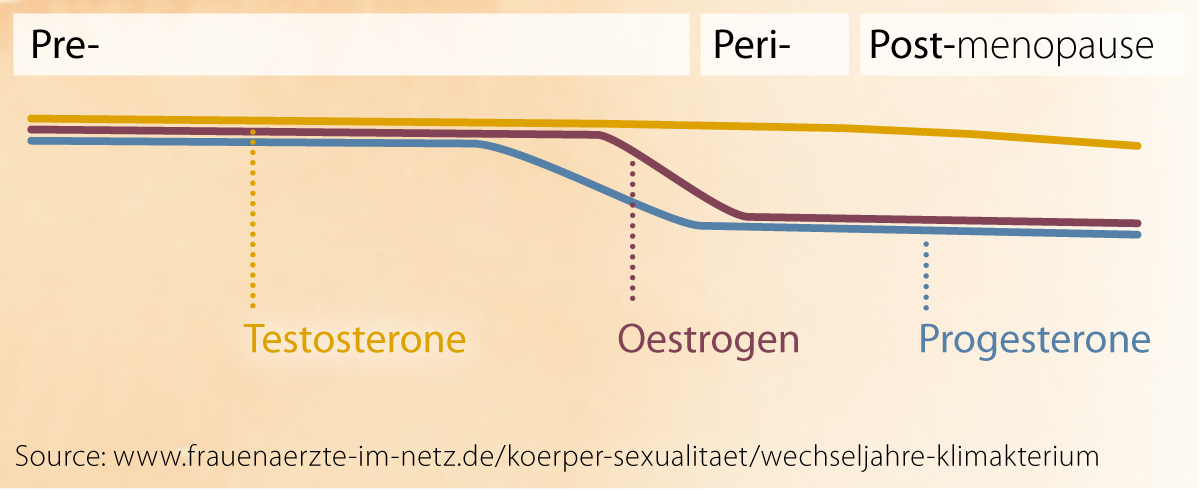
  Menopause is often characterised by physical and psychological changes. However, some of them may be related to normal ageing or to women's status in society. Different cultures have different perspectives on these changes and discomforts.